The Complete Red Route — Zelve, Göreme, Fairy Chimneys & Ancient Workshops in One Day
The Cappadocia Red Tour traces the most comprehensive path through northern Cappadocia, combining the geological spectacle of Devrent Valley and Pasabag with the abandoned settlement of Zelve Open-Air Museum, the frescoed churches of Göreme, and the craft workshops of Avanos. This full-day guided tour follows the classic “red route” that has defined Cappadocia sightseeing for decades — named for the red-tinted volcanic rock that dominates the northern landscape. A licensed English-speaking guide accompanies you, and lunch is included.
What distinguishes the Red Tour from shorter northern itineraries is the inclusion of Zelve alongside Göreme. Most quick tours choose one or the other. By visiting both, you see the contrast between a curated UNESCO monastic site and a raw, recently abandoned village where families lived inside the rock until 1952. The Cappadocia Red Tour gives you the complete northern story — from geological origins to monastic devotion to everyday village life — with a panoramic viewpoint at the end that ties everything together visually.
Full Itinerary: What You Will See on the Cappadocia Red Tour
Devrent Valley — Reading the Rocks
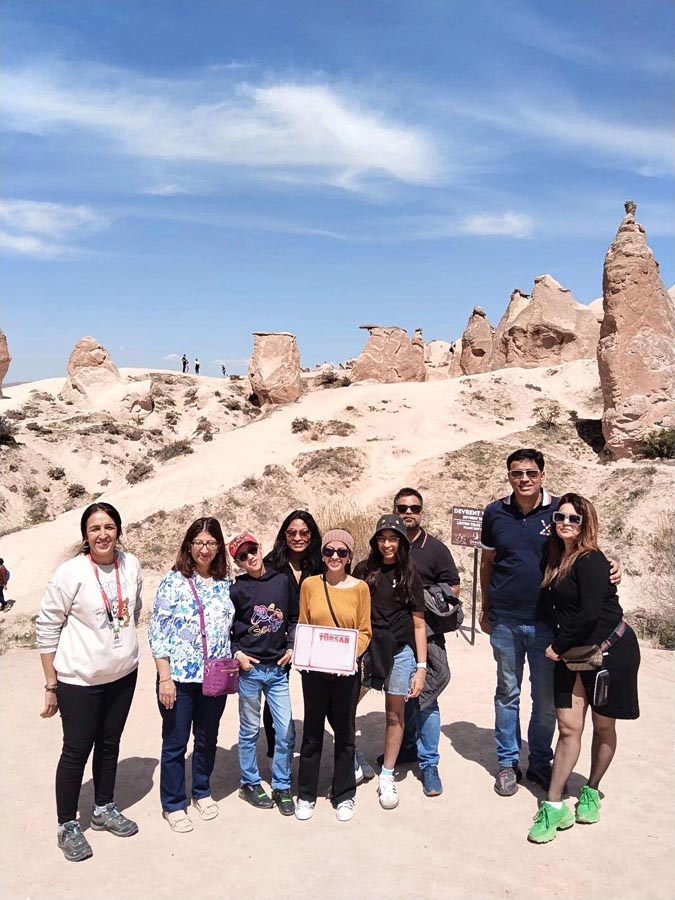
The tour starts at Devrent Valley, where millions of years of erosion have sculpted volcanic tuff into forms that require no imagination to interpret. A stone camel near the valley entrance is so anatomically precise that first-time visitors assume it was carved. It was not — every formation here is entirely natural, the product of harder mineral nodules protecting the softer rock beneath them as wind and water dissolved everything around them.
Your guide uses Devrent to establish the geological vocabulary you will need for the rest of the day. Tuff, basalt, andesite, capstone, differential erosion — these terms come alive when you can point at the process happening in front of you. The valley also demonstrates an important principle: Cappadocia’s rock was soft enough for ancient communities to carve with hand tools, yet durable enough to stand for millennia once shaped. That combination is what made the entire region possible as a human settlement.
Pasabag — Where Geology Meets Devotion
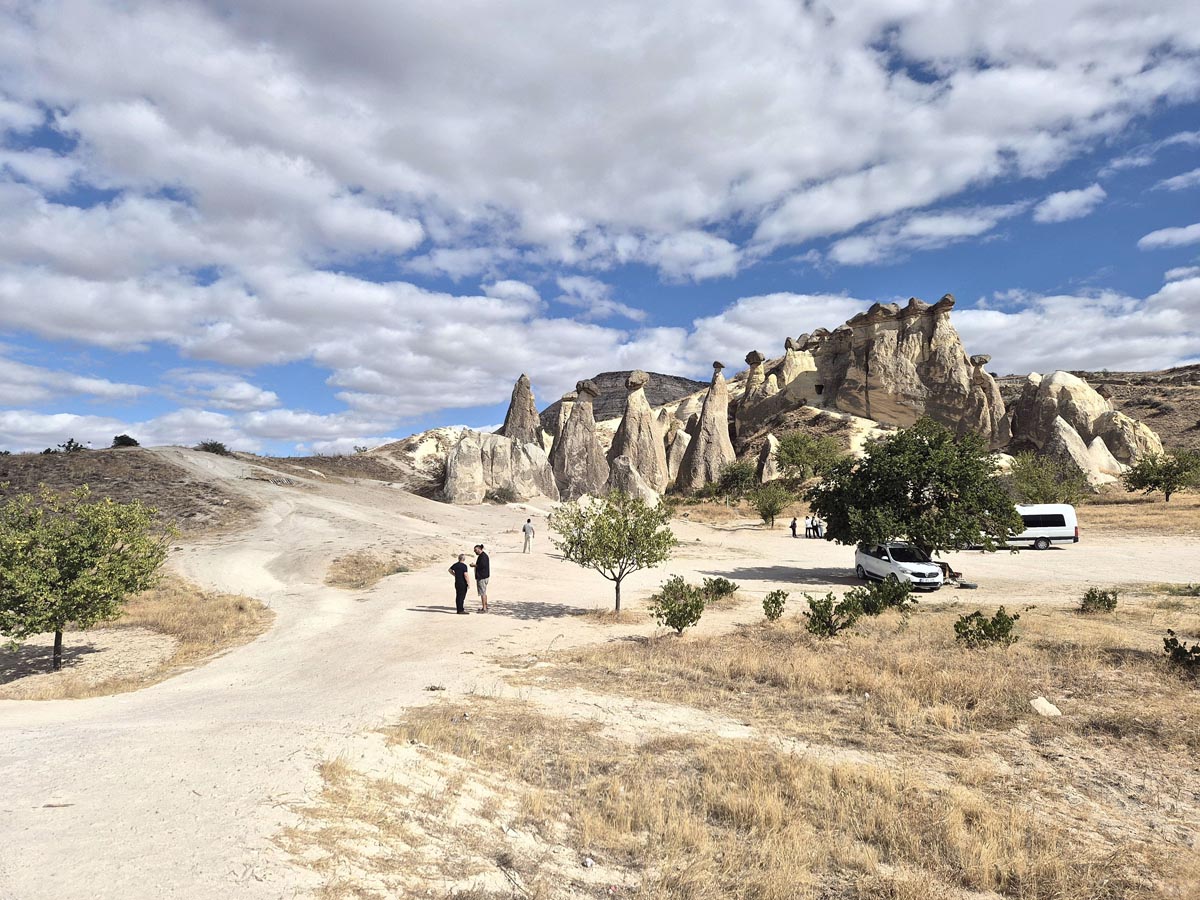
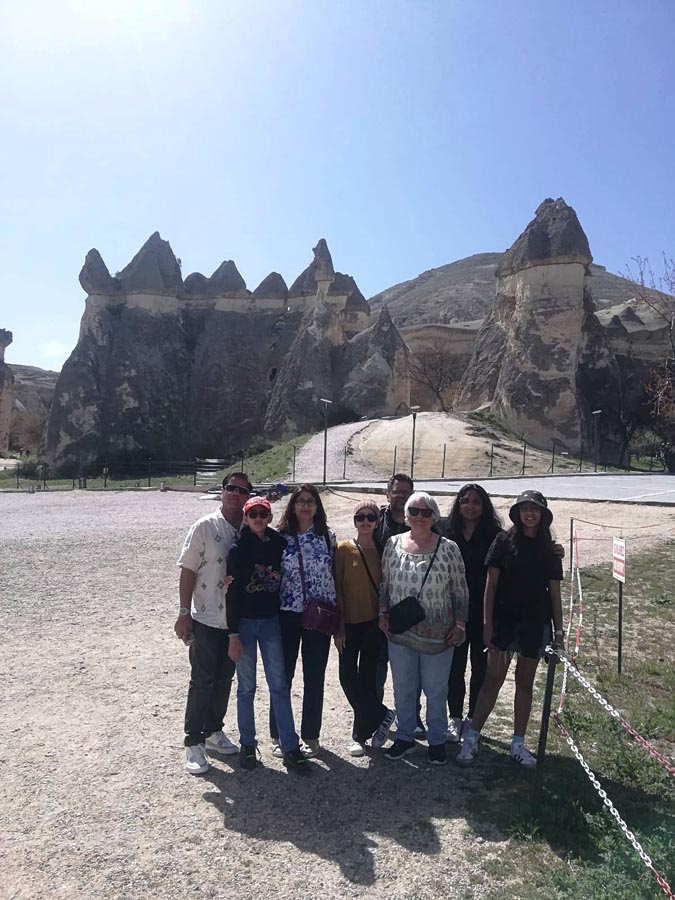
From Devrent, the Cappadocia Red Tour continues to Pasabag, the valley where fairy chimneys and early Christian asceticism intersect most dramatically. The chimneys here are tall, slender, and topped with dark caps that give them the appearance of hooded figures standing in a congregation. Several of the largest pillars were carved into multi-story hermit dwellings — vertical monasteries where individual monks lived in chambers stacked one above another, connected by internal staircases chipped from the rock.
The most famous formation at Pasabag is a triple-capped chimney that geologists consider one of the rarest erosion features in the world. Three separate capstones sit atop a single column that is slowly narrowing at its base — eventually, perhaps in our lifetimes, the cap will fall. Your guide explains this process with a directness that makes the geological timescale feel immediate. These formations are not permanent monuments. They are moments in an ongoing process, and you are seeing them at one particular stage of their slow dissolution.
Avanos — Where the River Provides
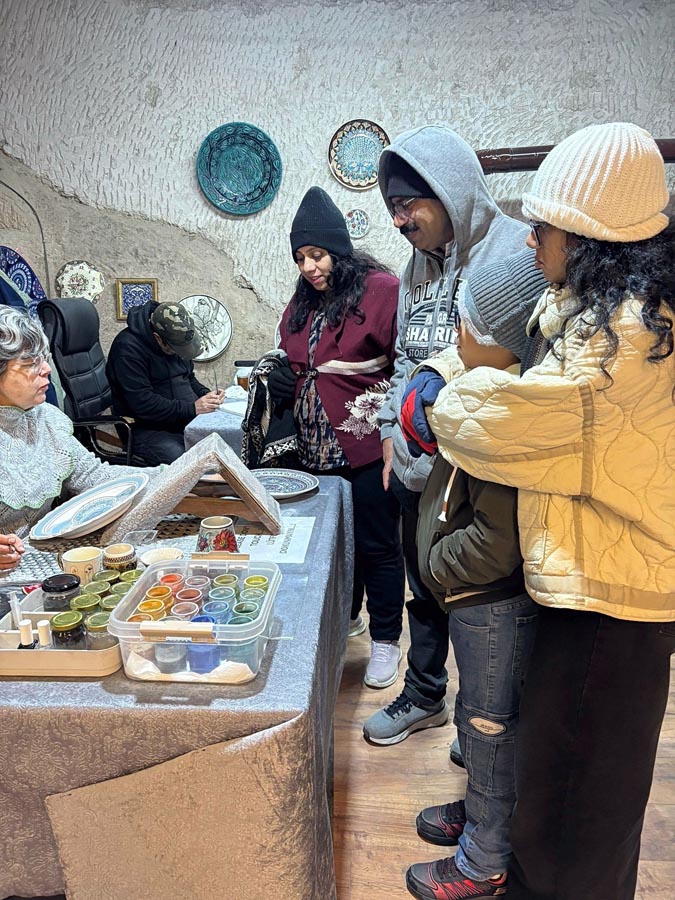
The Kızılırmak River passes through Avanos carrying fine sediment that settles along its banks in thick layers of workable clay. For the potters of Avanos, this is raw material delivered daily, free of charge, by the longest river in Turkey. Archaeological evidence confirms ceramic production here stretching back to the Hittite Empire — the same clay, the same riverbank, the same basic technique of shaping wet earth on a spinning wheel and hardening it with fire.
At the pottery workshop, a local artisan gives a live demonstration that compresses 4,000 years of craft history into ten minutes. He centers a formless lump of clay, opens it with his thumbs, and pulls the walls upward into a vessel that is symmetrical, thin-walled, and smooth before you have finished watching. Then he hands you the wheel. The experience of feeling clay respond to your hands — rising, widening, collapsing, and rising again — connects you to the craft in a way that watching alone cannot achieve.
Zelve Open-Air Museum — The Ghost Town
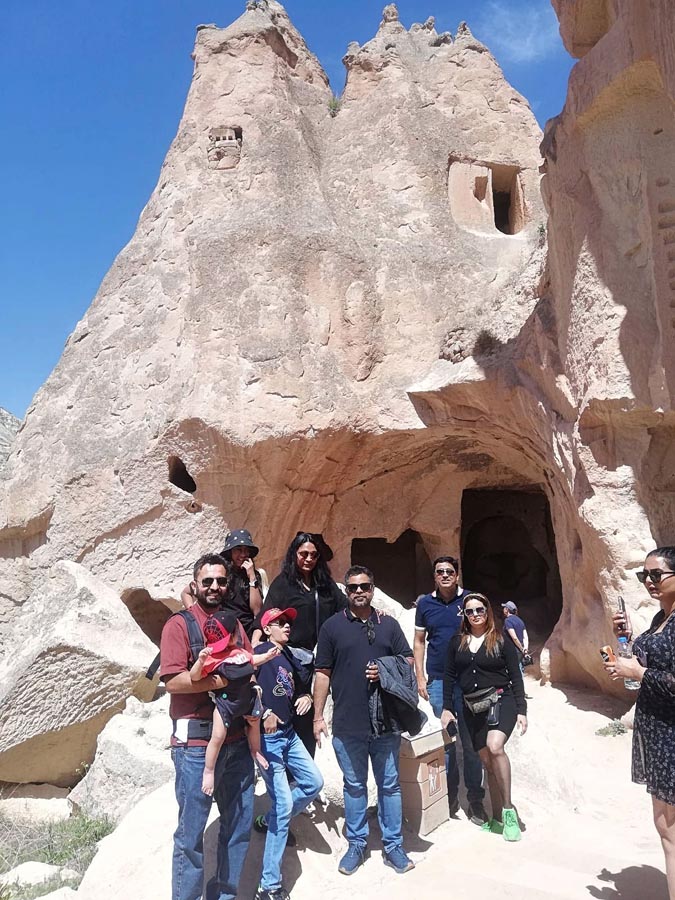
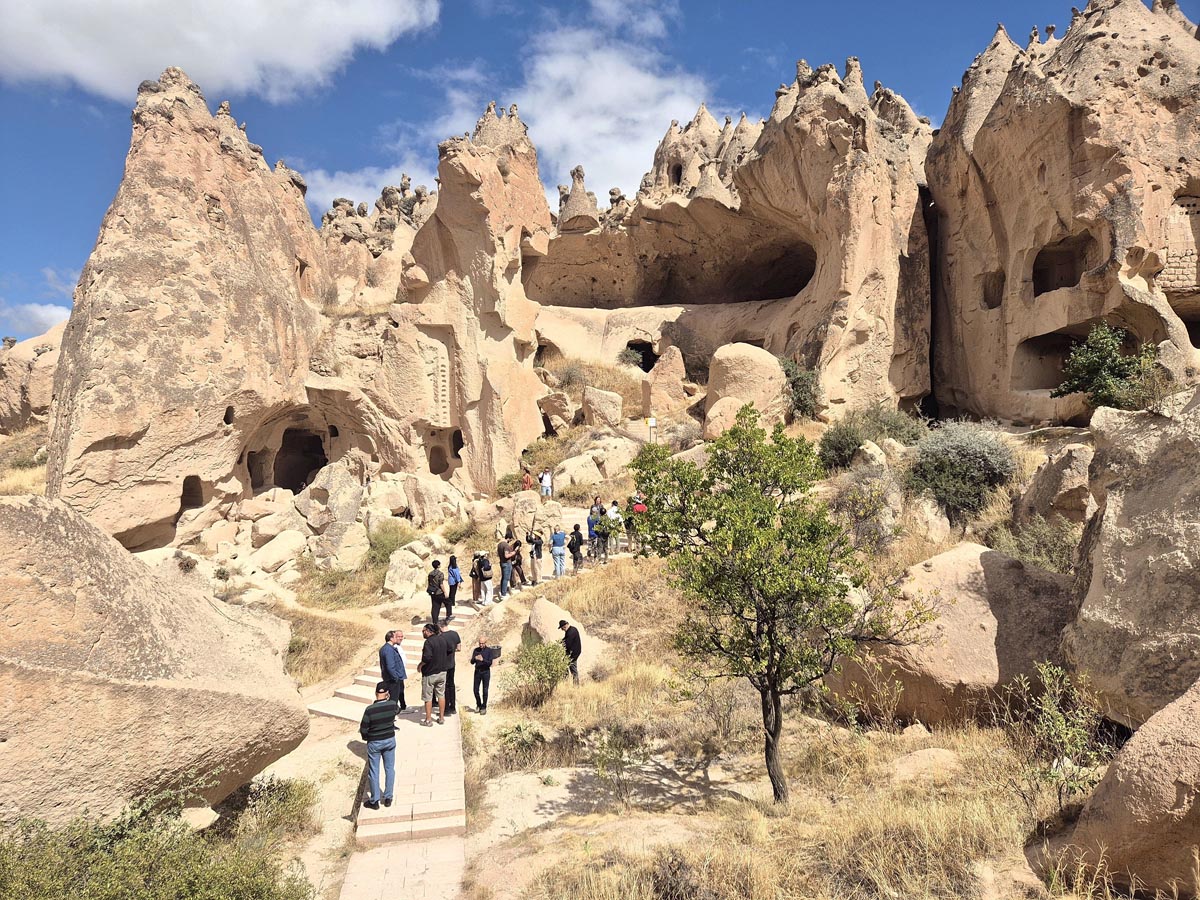
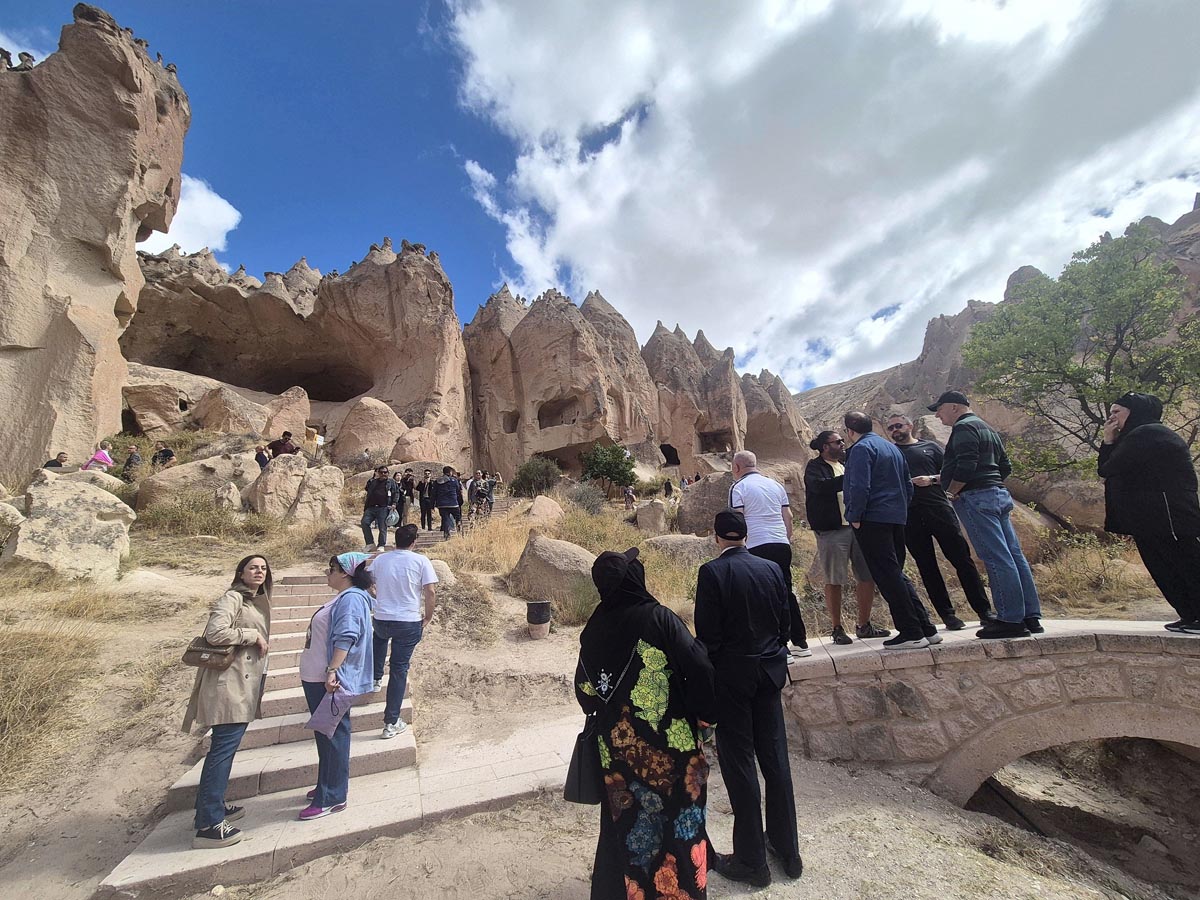
Zelve is the most atmospheric site on the Cappadocia Red Tour. This is not a monastery or a curated museum — it is an entire village, carved into three interconnected valleys, that was home to Turkish families until the government ordered evacuation in 1952. The decision was pragmatic: the rock was crumbling, ceilings were collapsing, and the settlement had become genuinely dangerous. The residents moved to the modern village of Yeni Zelve nearby, and the old settlement was left exactly as it stood.
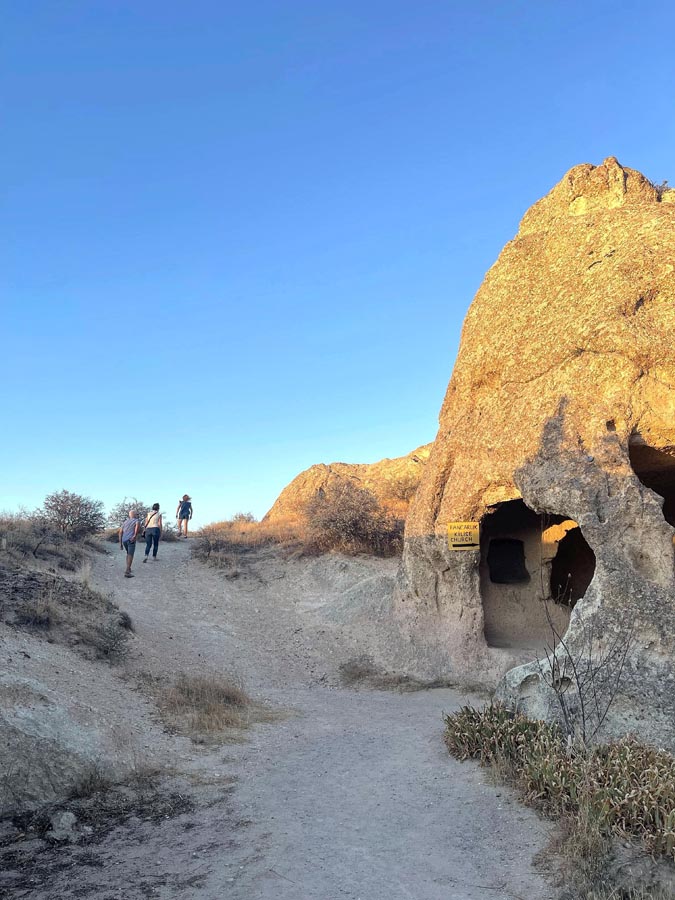
Walking through Zelve today, you pass through rooms where the soot from cooking fires still blackens the ceilings. Stone shelves hold the shapes of objects long removed. Carved niches show where wooden doors once hung. A mosque and a church stand within sight of each other — evidence of the mixed community that shared this valley for generations. The pathways between dwellings are sometimes tunnels through solid rock, sometimes open ledges along cliff faces with drops below. Zelve requires sure footing and a willingness to explore, but it rewards you with the most authentic sense of daily life in a rock-cut settlement that Cappadocia offers.
Göreme Open-Air Museum — Sacred Art in Stone
After lunch, the Cappadocia Red Tour arrives at the Göreme Open-Air Museum, where over thirty rock-cut churches and chapels contain some of the finest surviving examples of Byzantine fresco painting outside of Istanbul. The complex was a monastic center from the 10th through 13th centuries, and the churches were carved, plastered, and painted by monks who dedicated their lives to religious devotion in these remote valleys.
Your guide leads you through the churches in an order that reveals the evolution of painting styles — from early geometric crosses on bare rock to sophisticated narrative cycles depicting the life of Christ, the Virgin Mary, and individual saints. The Apple Church features a complete Ascension composition in its dome. The Snake Church contains depictions that blend Christian iconography with local folk motifs. The Buckle Church — the largest in the complex — covers every surface with figures painted against a saturated blue background that still vibrates with color after ten centuries.
The optional Dark Church (Karanlık Kilise) houses the most perfectly preserved frescoes in all of Cappadocia, their colors protected by centuries of accidental burial. An additional entrance fee applies, and the Cappadocia Red Tour allows time for those who wish to visit.
Turkish Carpet Demonstration
A visit to a carpet workshop follows Göreme, where the traditional art of Anatolian rug-making is presented from fiber to finished piece. You observe wool being washed, carded, spun, and dyed with natural pigments before watching weavers tie the individual knots that build a carpet row by row. The Turkish double knot — stronger and more durable than its Persian counterpart — is demonstrated at close range so you can see the finger movements that experienced weavers perform thousands of times per day.
The symbolism woven into each carpet reflects the weaver’s village, family, and personal experiences. Ram’s horn motifs represent power and masculinity. Hands-on-hips figures signify motherhood. Scorpion patterns ward off evil. Your guide translates these visual languages, turning what might look like abstract decoration into readable autobiographies knotted in wool.
Panoramic Viewpoint — Sunset Over the Chimneys
The Red Tour concludes at a panoramic viewpoint timed for late afternoon light. As the sun drops toward the western horizon, the iron-rich tuff of the northern valleys shifts through a spectrum of amber, copper, and rose — the red tones that give this tour its name. The view encompasses fairy chimney forests, pigeon valley ravines, and the distant cone of Erciyes volcano. Your guide identifies each visible landmark and connects them to the sites you walked through during the day, creating a visual summary of everything you experienced at ground level.
What Is Included
- Return hotel transfers within Cappadocia by minibus (Mercedes Sprinter / VW Crafter) — pickup approximately 09:00–10:00, exact time confirmed the day before
- Licensed English-speaking guide for the full day
- All museum and site entrance tickets
- Lunch at a traditional Cappadocian restaurant
What Is Not Included
- Dark Church entrance fee at Göreme Open-Air Museum
- Drinks during lunch and throughout the day
- Personal expenses and souvenirs
- Gratuities
What to Bring
- Passport or ID (required at some sites)
- Cash or card for personal shopping and drinks
- Water bottle
- Hat, sunglasses, and sunscreen in summer months
- Warm layers and wind-resistant jacket in winter months
- Sturdy walking shoes — Zelve’s terrain is rough and uneven
Why the Red Tour Is the Most Complete Northern Cappadocia Experience
Other northern tours trim the itinerary to fit a shorter day. The Cappadocia Red Tour keeps every significant stop and adds Zelve — the site that most visitors discover only after they have already left the region. By including both Zelve and Göreme, the Red Tour shows you the two faces of Cappadocian rock-cut life: sacred and domestic, curated and raw, painted and plain. Add the geological education at Devrent, the living craft at Avanos, and the sunset panorama at the end, and you have a day that leaves no part of the northern story untold.
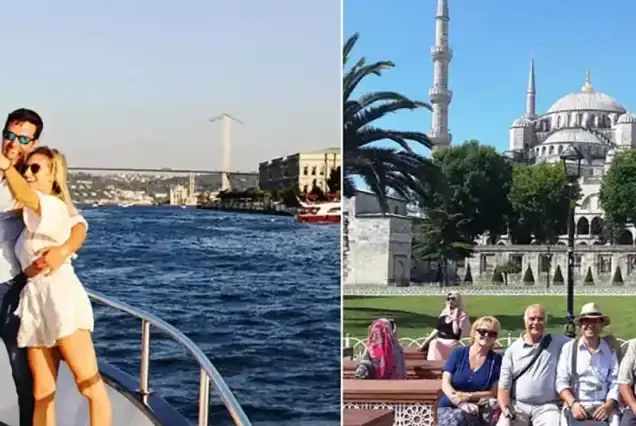
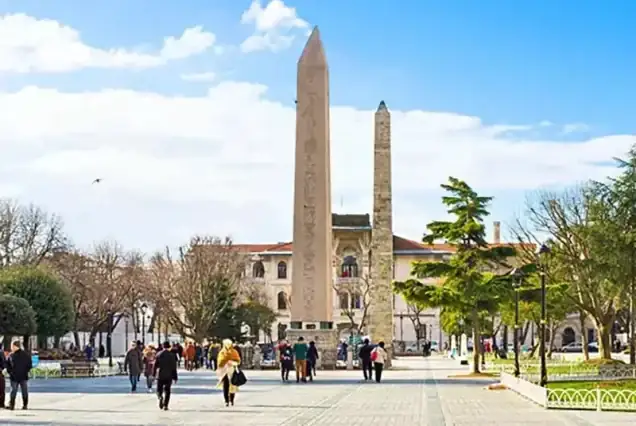
Travelers heading to Istanbul after Cappadocia find natural connections at every turn. The Istanbul Old City Tour visits the Hagia Sophia, whose mosaics share iconographic traditions with the frescoes at Göreme. The Istanbul Bosphorus Cruise Tour offers a completely different landscape experience — water, palaces, and the meeting of continents — that complements the landlocked volcanic terrain of Cappadocia perfectly.
Related Tours
- Istanbul Old City Tour — Hagia Sophia, Blue Mosque, Grand Bazaar, and Hippodrome in one full day
- Istanbul Bosphorus Cruise Tour — Scenic boat journey between Europe and Asia along Istanbul’s iconic waterway
- Istanbul Food Tour — Street food, spice markets, and local culinary traditions across the old city
- Cappadocia South Tour — Red Valley hiking, Cavusin Village, Pigeon Valley, and underground city
- Cappadocia Mix Tour — Zelve Museum, Love Valley, Uchisar Castle, and Kayasehir Underground City
Book Your Cappadocia Red Tour with Istanbul Daily Cruises
The Red Tour operates daily throughout the year, with pickup from hotels across all Cappadocia areas between approximately 09:00 and 10:00 by minibus (Mercedes Sprinter / VW Crafter). The exact pickup time is confirmed the day before based on your hotel location and the day’s route. Small groups ensure your guide can lead you through Zelve’s narrow passages and Göreme’s intimate church interiors without crowding. Istanbul Daily Cruises selects locally licensed guides with deep expertise in Cappadocian geology, Byzantine art, and Turkish craft traditions. Pick your date above and book your place — the complete red route is ready to walk.


Reviews
There are no reviews yet.